
There is no other position in football than fullback that has experienced such radical transformation. Fifty years ago a fullback was responsible for only one function: to keep the opposing winger from crossing the centerline of the pitch. It was an adventure to cross the centerline and a crime against tactics to enter the offensive phase of the match.
Nowadays, fullbacks are “hidden playmakers”, the engine of the team and the most valuable players on the market. Below we present ten footballers that, through their actions, have rewritten the rules of football and created the modern look of the sport.
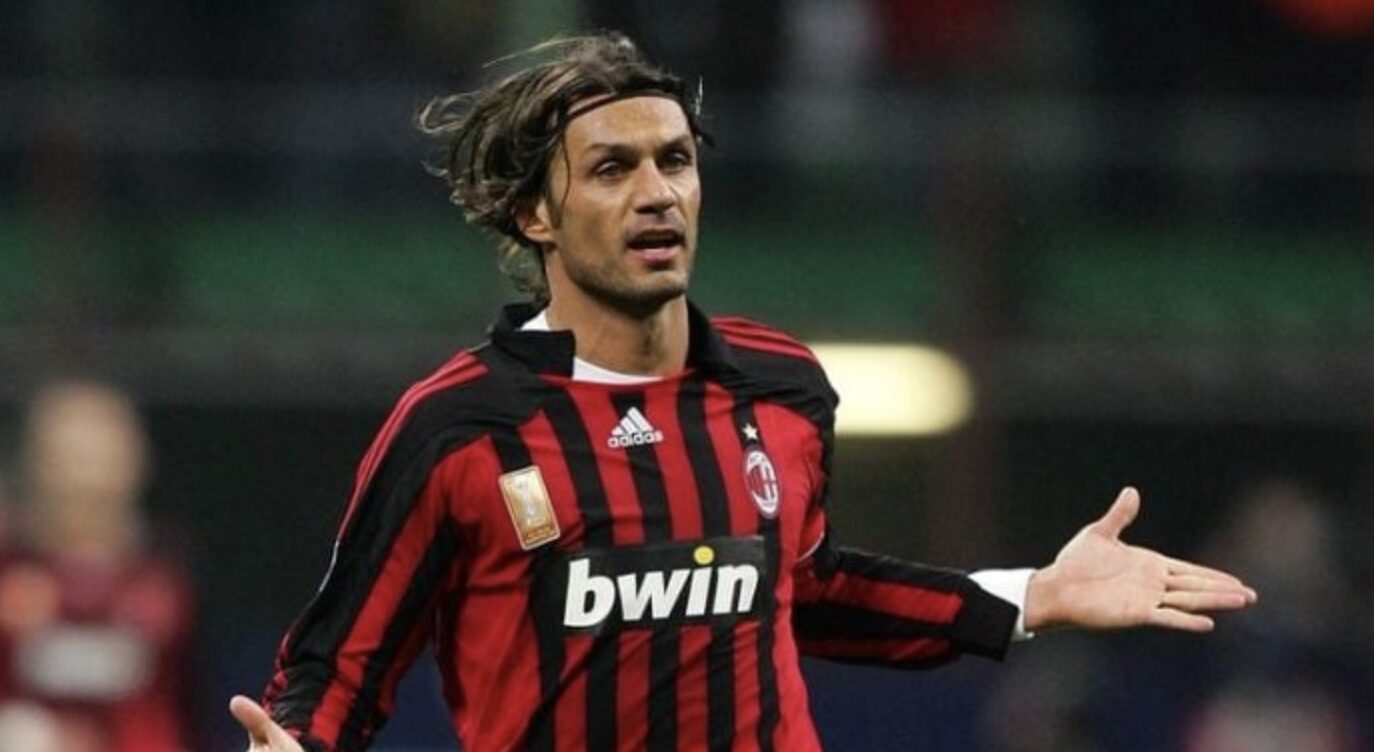
Paolo Maldini: The Standards of Defensive Art
Although Paolo Maldini finished his career as a central defender, he spent the majority of his years and became a legend of the game on the left flank. Only a handful of intelligent defenders exist in the game. As a right footed player on the left side of the defense, Maldini had an additional asset when he moved centrally. His genius rested on being able to read the game. A quote that fits perfectly with his style of play is “I am going into a tackle means I’ve already made a mistake”. For 25 years, Maldini remained faithful to AC Milan and won five European Cups.
Cafu: The Motor of Endless Energy
A two time world champion and record player for the Brazilian national team in number of matches played, Cafu became the epitome of the modern day wing back. Due to a unique physiological structure, he was capable of sprinting from the corner flag to the opposite corner flag for 90 minutes without suffering a loss of quality. Cafu was an integral part of the attack and provided numbers on the right flank. His legacy lies in dynamism and complete control over the flank.
Roberto Carlos: Attack as the Best Defense

Roberto Carlos – bbci.co.uk
While Cafu demonstrated high levels of physical fitness, Roberto Carlos demonstrated his influence on the game through his explosive force. At 168 cm tall, Roberto Carlos possessed a punch of monstrous force. His influence on the game is immense. He demonstrated to the world that a fullback can be a major media attraction and the primary offensive threat. His free kicks and attacks will forever change the geometry of the game for Real Madrid and the Brazilian national team.
Dani Alves: The Fake Playmaker
The most decorated player in football history. Dani Alves’ role in Pep Guardiola’s Barcelona system was one that no one had previously performed. Alves was both a defender and the main distributor on the opponent’s half of the field. His partnership with Lionel Messi produced some of the most prolific combinations in football history. Alves demonstrated that a fullback can control the tempo of the game and produce the technical ability of a number 10.
Philipp Lahm: Intuition over Physical Ability
The captain of the German national team that lifted the 2014 FIFA World Cup. Philipp Lahm was the antithesis to the Brazilians. He was not particularly fast nor powerful, but his tactical intuition was flawless. Lahm could perform equally well on the left, right or as a holding midfielder. Almost never committing fouls, Lahm obtained possession of the ball due to his positioning. His career is a lesson on positional play.
Giacinto Facchetti: Europe’s First Attacking Defender
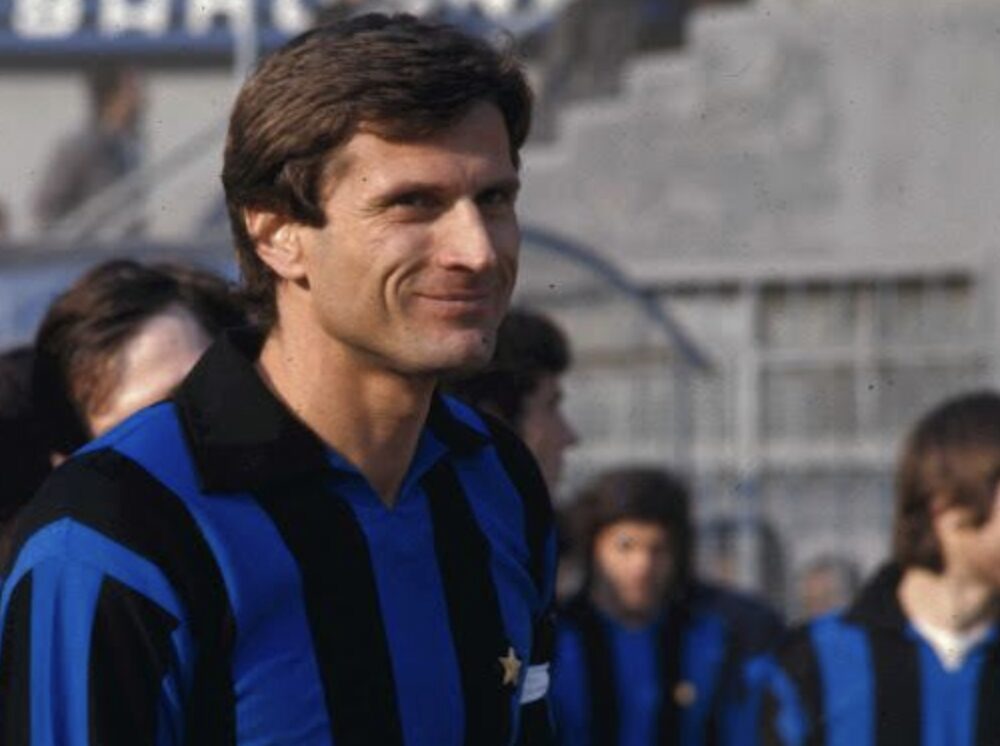
Giacinto Facchetti – alchetron.com
An Inter legend from the 1960s, Giacinto Facchetti was a trailblazer. In an era of strict catenaccio, Facchetti was the first defender to continually join the attack and score goals (in his career 75). Tall, elegant and fast, Facchetti opened the door to subsequent generations of attacking defenders.
Javier Zanetti: Symbol of Stability
The Argentine “Tractor” became synonymous with longevity. Javier Zanetti was capable of performing in any defensive and midfield position. His dribbling was very simple yet efficient: he simply knocked the ball ahead and shielded it with his body, making it impossible to retrieve the ball without a foul. Zanetti is a prime example of how a disciplined player can continue to compete at the highest level until age 40.
Nilton Santos: The Encyclopedia of Football
He was the player on the left flank of the Brazilian national team when Pelé was a child. At the 1958 World Cup, Nilton Santos revolutionized the game by scoring a goal after a solo run through the entire length of the field. He pushed the boundaries of what was permissible for defenders and demonstrated that they don’t need to limit themselves to their own penalty box.
Ashley Cole: Ronaldo’s Nemesis
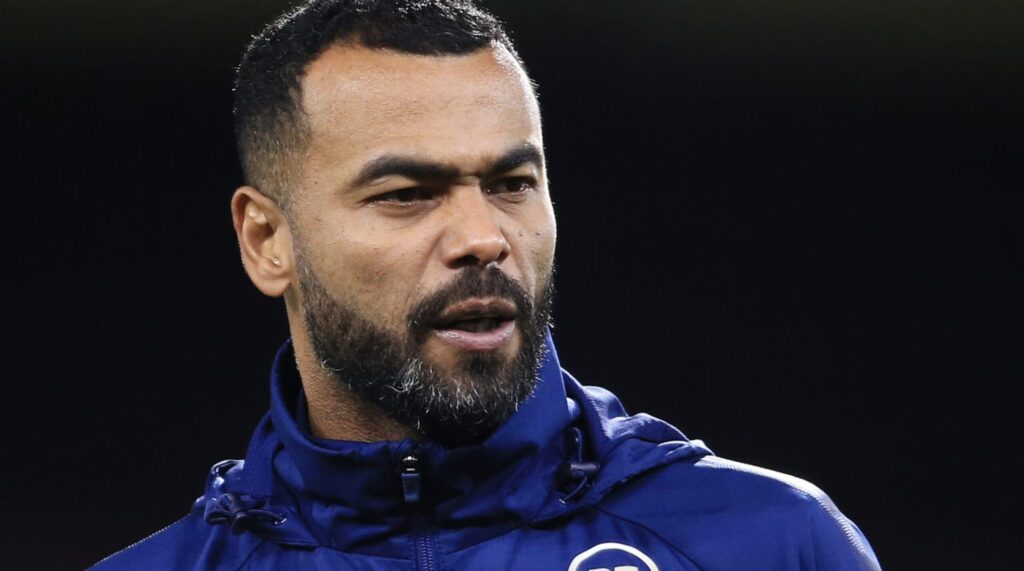
Ashley Cole – 365dm.com
While the majority of the attacking fullbacks of the 2000s thrived, Ashley Cole continued to be the embodiment of balance. Cole was possibly the best left-back of the decade in terms of individual defensive battles. His matches against Cristiano Ronaldo became legendary of the Premier League. Cole was incredibly agile and capable of clean retrieving the ball in the most critical moments.
Marcelo: The Perfect Player
The successor of Roberto Carlos at Real Madrid and far superior in terms of ball control, Marcelo is the street football of Rio de Janeiro brought to Champions League stadiums. His contributions to Real Madrid’s three consecutive Champions League titles cannot be underestimated. Marcelo transformed the left flank into an unpredictable zone of creativity.
These ten players did not merely fulfill their duties well. They completely changed the perception of how football should be played. Their influence led to the transition of the role of the fullback from a “manual worker” to a pivotal element in the tactical plans of modern coaches.
Leave a Reply