
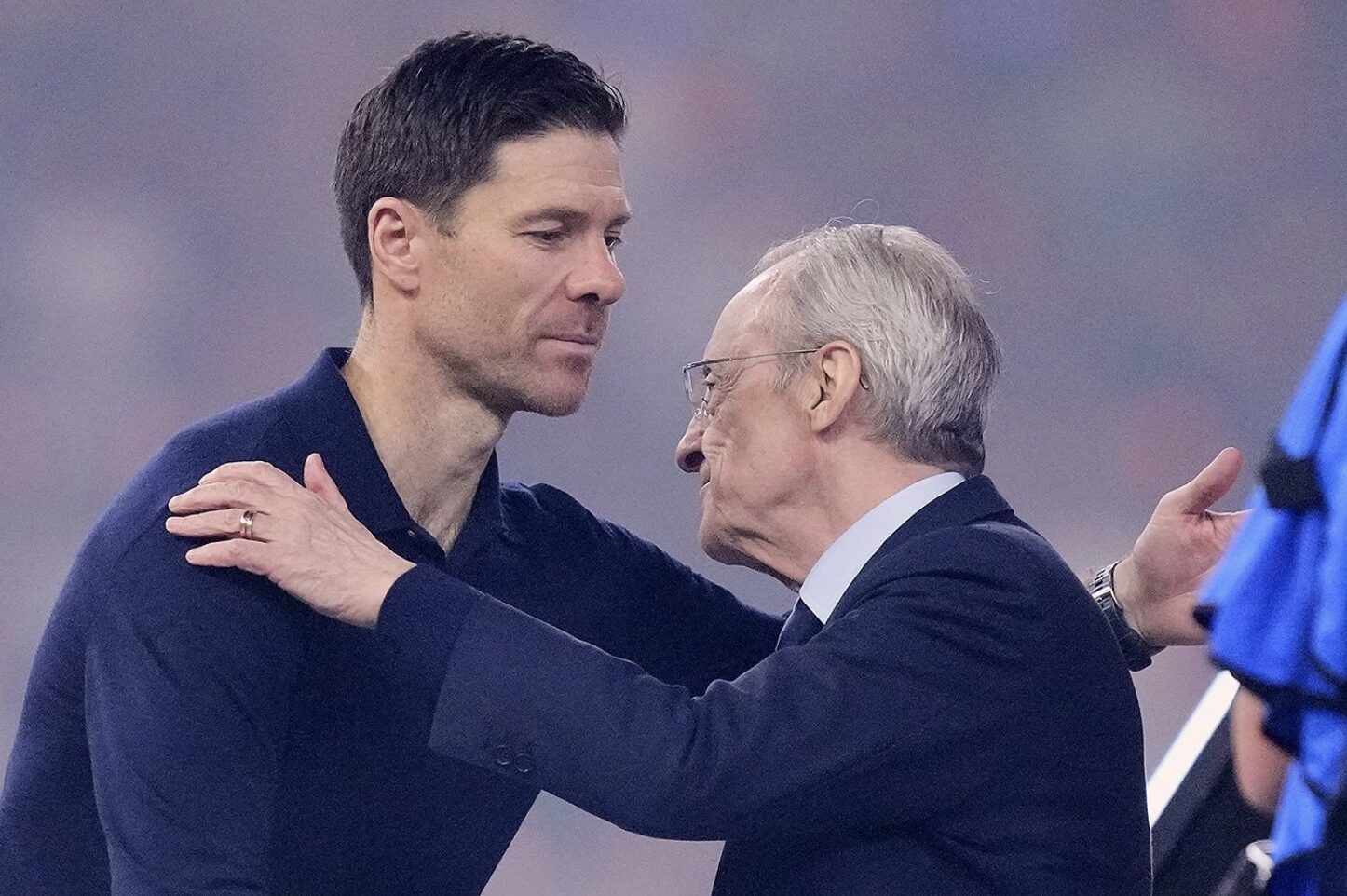
And Xabi Will Be Fine
Breakups come in different forms. But most often, they share one thing: both sides are to blame, and questions can be asked of both parties. The case of Real Madrid and Xabi Alonso is no exception in this regard. There are no rights or wrongs here. It’s a matter of interpretations and perspectives. Plenty of people consider this decision insane. But there are also those who think it’s the right one.
Right now, liters of various rumors are pouring in: how, why, who initiated it, and so on. One popular version is that Alonso decided to leave on his own. Supposedly, the team didn’t accept his ideas, and he saw no progress. And he decided that a quick but rather horrible end was better than horror without end.
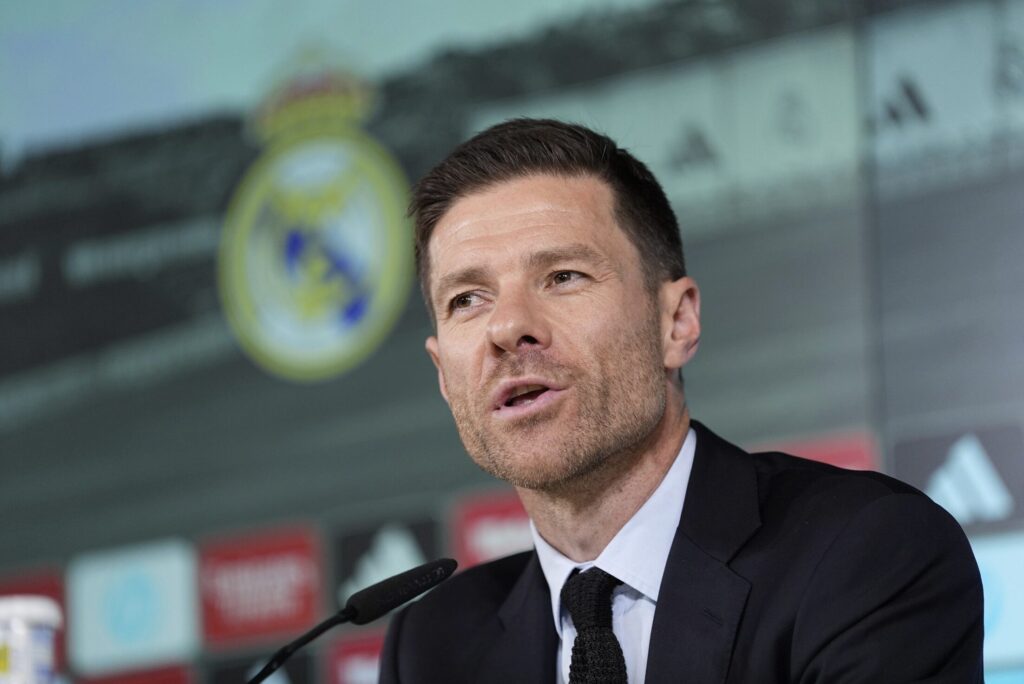
Alonso, on the other hand, wanted to make Real Madrid more structured – managingmadrid.com
But was everything really that horrible? After all, Real hasn’t lost anything yet except the Super Cup. And the final against Barcelona unfolded in such a way that imagining Alonso’s departure after it was impossible. Madrid lost 2:3 in a tough battle, and could have saved themselves until the last seconds. Did the team not play the way Alonso wanted? It’s no sin to adapt to the current flying Barcelona, even for Real. Especially for the current one—which is just being built. Or rather, was being built—until Xabi’s dismissal.
The defeat to Barcelona is not the cause, but the pretext. Probably, the players’ behavior after the match also served as a pretext. If it’s true that Alonso demanded the team stay on the field during Barcelona’s award ceremony, but everyone left at Kylian Mbappé’s behest—of course, that’s a strong blow to the coach’s confidence and self-esteem.
This is no longer about football, not about ideas. This is human. In Real, a coach can’t do without that; that’s just the kind of club it is. It seemed that Alonso had a big enough name and authority to manage Madrid’s superstars, so they wouldn’t look down on him. It turned out—no. Perhaps Xabi himself initially overestimated his coaching charisma. In the end, realizing that he couldn’t handle the big egos in the squad pushed him toward leaving, in addition to dissatisfaction with the team’s play. Which reason was more significant can only be guessed.
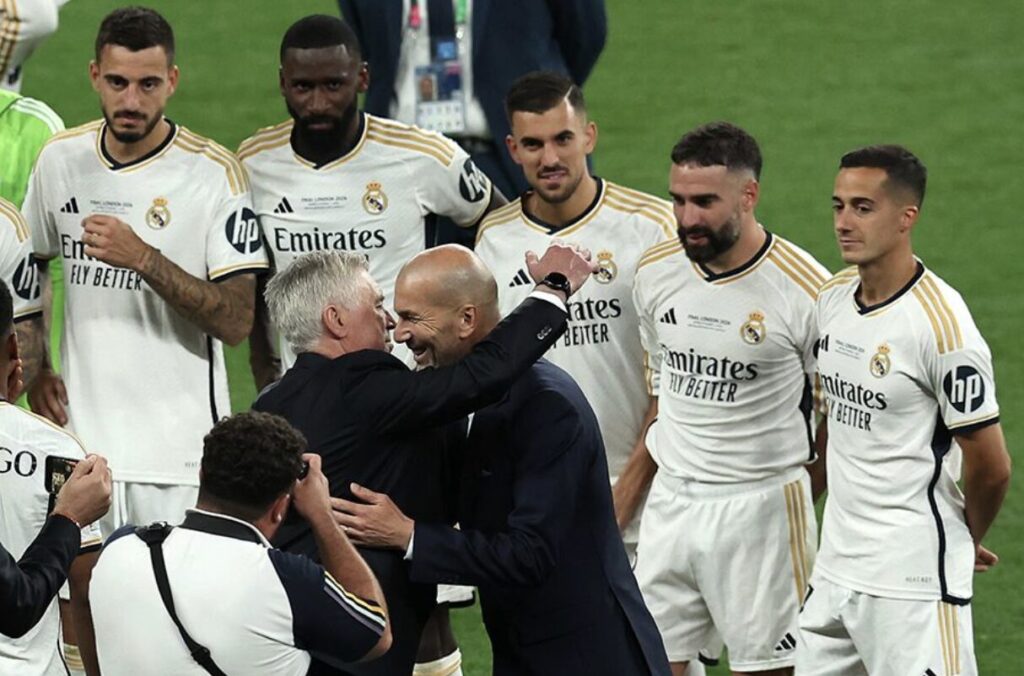
Real invited Alonso with the toughest mission – indiatimes.com
And here, questions can and should be asked of the club. Real invited Alonso with the toughest mission. Xabi was supposed to change the club’s ideology. It sounds very grand and pompous, but it’s true. Real has always been a players’ club. They are the kings and gods. And the coaches who coped best in Madrid were those who didn’t try to change this order but accepted it and worked within the established realities.
Alonso, however, was called to make Real more structured, to feed it fresh tactical ideas. At the same time, judging by everything, the option of parting with any of the superstars wasn’t considered. In particular, Xabi had to solve the task that Carlo Ancelotti had been racking his brain over for a whole year: how to effectively combine Vinícius and Mbappé on the field? That is, it was assumed that the coach would find such a structure that the big egos would accept.
It doesn’t sound very realistic. A set of bright individualists and structured football seem fundamentally incompatible. But Real believed it was possible. Since they invited Alonso, they believed. Otherwise, why call him? If Madrid was fine being a “players’ club,” it would have been better to just keep Ancelotti.
In the end, Xabi arrived—but did he get enough support? From insiders, news came that amid poor results that started piling up around November, the management clearly signaled: Alonso is the main man! No one’s touching him, he continues to work. And that’s right.
Later, when rumors of a possible dismissal reached their peak, the results started improving. It seemed that Real was gradually coming out of the dive—both in terms of play and psychology. But then—defeat in the Super Cup final, and Alonso is free. Even if he resigned himself, was there no chance to convince him to stay? Didn’t Real give up too easily on a project that was conceived as strategic and long-term?
Instead of Xabi, they appointed Álvaro Arbeloa. Previously, he only worked with Real’s youth and junior teams. What kind of coach he is remains to be seen. However, it’s hard to imagine that he’ll come in with some clear playing concept and immediately start “building” Mbappé, Vini, and the other stars.
Rather, Arbeloa should provide a softening effect. Instead of the stifling Alonso, who loaded them with tactics, pressing, and other tedium, Álvaro should relax the team and let them create. “You are top players, you know what to do yourselves”—probably, the calculation is exactly that.
If so, it turns out that not only Alonso admitted he couldn’t cope, but Real did too. The club admitted that it’s incompatible with a clear playing concept. The main ones are still the players; their dictate is unshakable. Apparently, the club management came to terms with this thought and reached the same conclusion as Alonso: better a horrible end than horror without end. Better to quickly endure sharp pain than to suffer dull pain for a long time.
Real and Alonso remained themselves. They couldn’t change each other, couldn’t adapt to each other, and so the puzzle didn’t come together. Now it’s wildly interesting to see what happens next. If Real agrees that it’s a players’ club, the circle of suitable coaches is severely limited. The most suitable one is busy—he’s taking Brazil to the World Cup. Zinedine Zidane? They’ve been saying for a long time that after the World Cup, he’ll head the French national team. It’s hard to imagine he won’t go to his home country’s team, even if Real beckons him now.
Maybe Arbeloa will turn out to be a suitable coach. He’s a football man, from the Real system. He wasn’t a star of Zidane or Alonso’s caliber, but he won a ton of things—more than most players in the current Real could dream of. If he successfully rides out to the end of the season, maybe he’ll get a chance further.
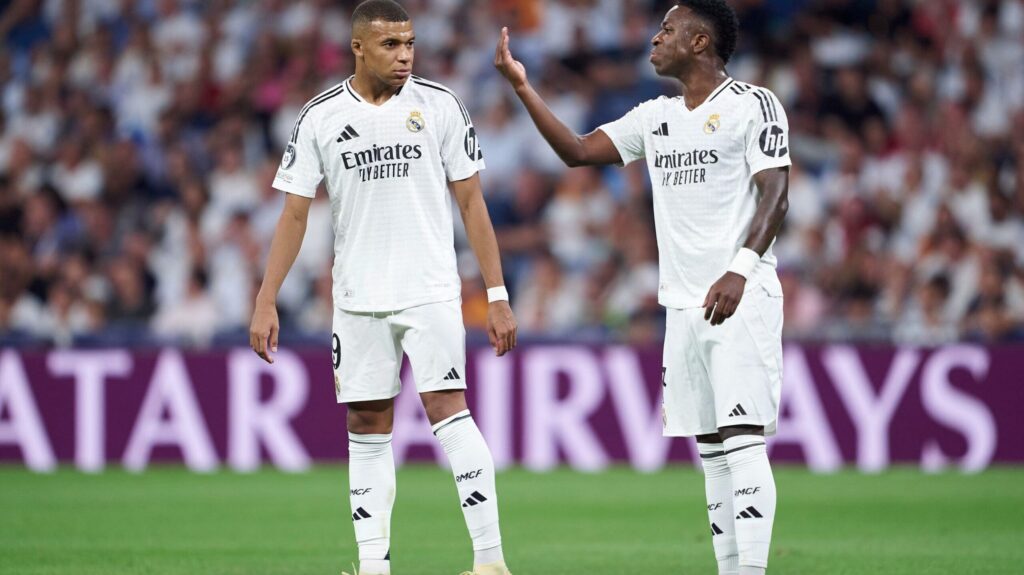
Mbappe and Vinicius – tntsports.io
But what does “successfully ride out to the end of the season” mean? How does Real now set its tasks? Win everything, because it’s Real? It sounds nice, but considering what’s happening now, realizing that the coach is a person with absolutely no experience in adult football, perhaps the maximalist ambitions should be cooled a bit.
As for Alonso—strangely enough, his coaching reputation, if it suffered, didn’t suffer much. The great successes at Bayer are still with Xabi. They’re fresh in memory; they can’t be crossed out. Failure at Real? Alonso was invited to the toughest job, he stayed in Madrid for only half a season, and in terms of results, he didn’t fail. He definitely didn’t earn a dismissal.
Could future employers be deterred by the fact that Alonso didn’t get along with big egos? Theoretically—yes. However, again, it happened to him at Real. There are no other clubs with such a high concentration of egos, nowhere else do players have such dictate. So if Alonso couldn’t properly establish himself at Real, that doesn’t mean he’s fundamentally unfit for working with big players. Moreover, the experience Xabi gained at Madrid could greatly help him in the future.
There’s no doubt that Alonso won’t suffer from a lack of offers. He’ll instantly be on the shortlist of any club thinking about changing coaches. Maybe after Real, he’ll need a psychological retreat. But as soon as Alonso expresses a desire to work, offers will fly in one after another.
But Real is stuck at a crossroads. It tried a concept—and quickly changed its mind. At the same time, classy coaches for working with stars are a rare commodity. Once again: one is in Brazil, the second is probably waiting for France. No other obvious options are visible. Arbeloa? That’s a lottery. If it works out—great. And if not—what then?
Leave a Reply