
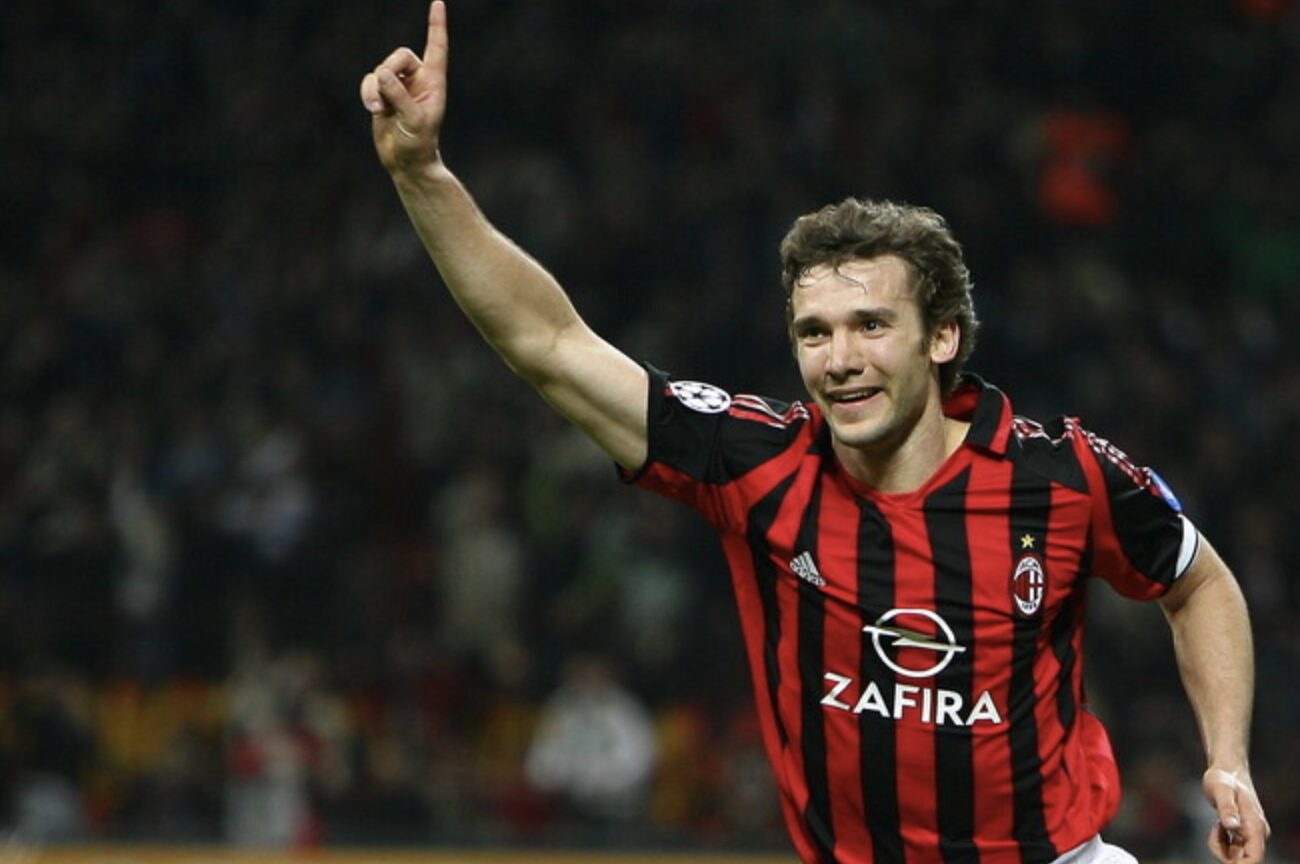
Football has become an increasingly fast-paced game since the 1980s. Yet, we still haven’t seen the same kind of mathematically based pressing tactics that have come to define modern-day football. It’s been a decade of individuality. Before “attacking groups” began tracking back defensively, forwards were simply prima donnas – artists and assassins.
We remember their elaborate movements with the ball, their hairstyles, and their outrageous celebrations after scoring. We remember them playing in black boots (something you don’t see today!), and in baggy jerseys. The editorial team of Sportliga.com rewound through the years to make a selection of the top 10 best forwards of the decade.
10. Miroslav Klose (Germany)
Teams: Kaiserslautern, Werder Bremen, Bayern Munich
Superpower: Heading and Somersaults
Miro was no technical wizard on the field. He could not outrun 5 players as some Brazilians can. However, he had an innate ability to know where the ball will land. At the 2002 World Cup, Klose exploded onto the international scene, with 5 goals – all scored with his head! Two years later, at the home world cup in 2006, Klose won the Golden Boot. He was a quintessential German – modest, dependable and effective. After each goal, he would celebrate with somersaults, a move that many kids imitated in the backyards around the globe — usually ending up with their backsides on the ground.
9. David Trezeguet (France)
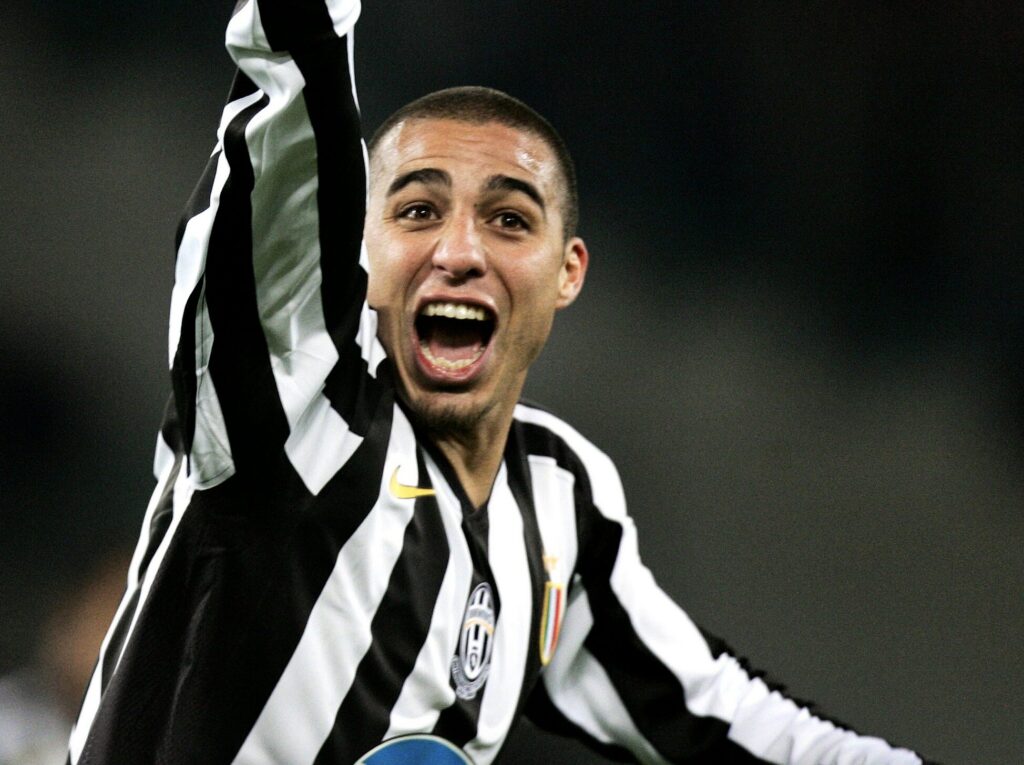
David Trezeguet – wp.com
Teams: Monaco, Juventus
Superpower: One-Touch Shots
Trezegol was the master of the penalty area. He did not need to control the ball, adjust or feint. He hit the ball in the air, while turning or using his shoulders. Trezeguet scored the most important goal of the decade’s beginning — the Golden Goal against Italy in the Euro 2000 final. Almost throughout the 2000s, Trezeguet was the focal point of Juventus’ attack, forming a deadly duo with Alessandro Del Piero. Even when Juventus were demoted to Serie B due to Calciopoli, David stuck with the Old Lady.
8. Didier Drogba (Côte d’Ivoire)
Teams: Guingamp, Marseille, Chelsea
Superpower: Strength & Goals in Finals
The Chief. Didier developed slowly (he went to Marseille at age 25), however, his impact on the last half of the 2000s was enormous. Jose Mourinho told Chelsea owner Roman Abramovich: “Don’t ask me anything, just give him money, and he’ll get you championships.” Drogba was a nightmare for Premier League defenders. No matter how hard they pressed him, they couldn’t displace him. More importantly, Drogba had a warrior mentality. He scored in 9 finals of varying competitions for Chelsea. The bigger the match, the better Drogba performed.
7. Raul Gonzalez (Spain)
Teams: Real Madrid
Superpower: “Chips” and Intelligence
Before Ronaldo and Messi came along, Raul was the all-time leading scorer in the Champions League. During the Galactico era (when Perez brought in Zidane, Beckham and Figo), Raul was the heart and soul of Madrid. He was neither the fastest nor the strongest. However, he used his intelligence to win games. His signature shots on goal, lofted chips above goalkeepers, were works of art. He kissed his wedding band after each of his goals, and in this gesture, we saw the stability of the entire Royal Club during that period.
6. Ruud van Nistelrooy (Netherlands)
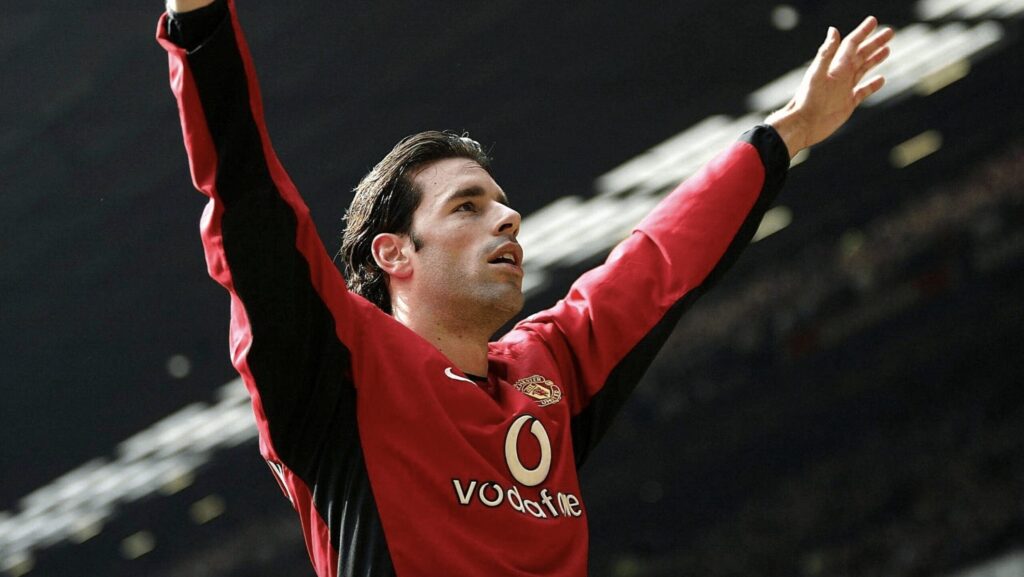
Ruud van Nistelrooy – wp.com
Teams: PSV, Manchester United, Real Madrid
Superpower: Killer Instinct
Sir Alex Ferguson said Ruud was the best finisher he ever coached. Ruud’s statistics at Manchester United were unbelievable: 150 goals in 219 appearances. A fun fact: of those 150 goals, only one was scored from outside the penalty area. Ruud lived in the box. He didn’t care about the beauty of the game; he only cared about getting the ball in the net. Ruud was the ultimate “selfish forward” of the 2000s.
5. Samuel Eto’o (Cameroon)
Teams: Mallorca, Barcelona, Inter
Superpower: Cat-Like Speed
Samuel Eto’o is perhaps the best African footballer in history. In the middle part of the 2000s, at Barcelona, Ronaldinho made magic happen, but it was Eto’o who finished the job. Eto’o scored the winning goals in two Champions League finals (2006 and 2009). His speed was so incredible that defenders simply watched him disappear downfield. In 2009, he left Barcelona and joined Inter, helping the Italian club win the treble, and proving he was capable of doing not only scoring goals but working (Mourinho had him play as much as a wing-back in the semi-final against Barca).
4. Zlatan Ibrahimovic (Sweden)
Teams: Ajax, Juventus, Inter, Barcelona
Superpower: Acrobatic Techniques at 6’2″ Height
The current Zlatan is a forceful striker — but the Zlatan of the 2000s was quite different. He was a dribbling wizard! Who can forget his goal for Ajax against Breda in which he beat five players — including the cameraman? Or his back heel goal against Italy at Euro 2004? In the 2000s, Ibrahimovic conquered Italy. Wherever he played (Juventus or Inter), his teams won the Scudetto. He combined the size of a basketball player with the skills of a street freestyler.
3. Andriy Shevchenko (Ukraine)
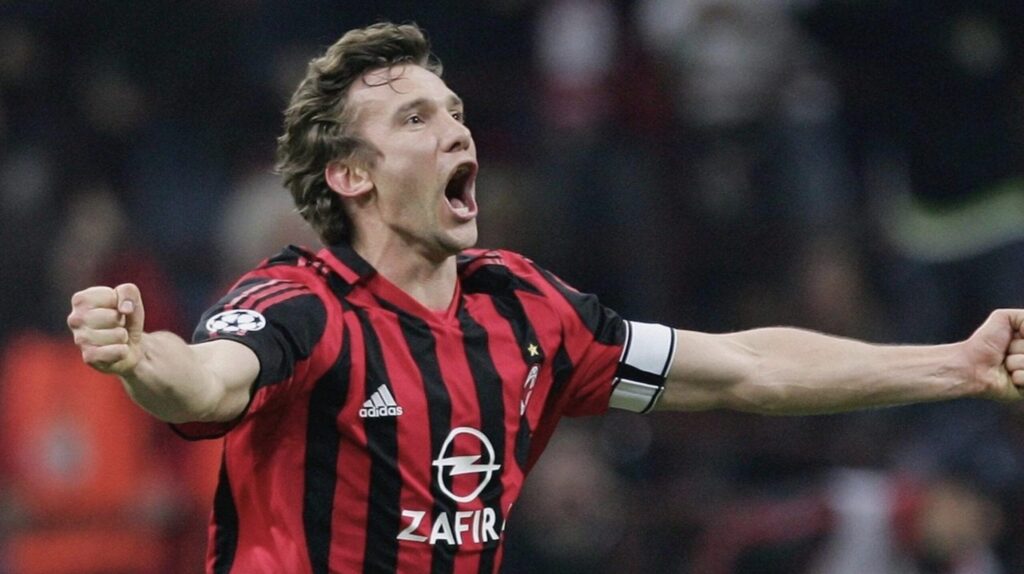
Andriy Shevchenko – uefa.com
Teams: Milan, Chelsea
Superpower: Versatility and “Devil’s Stare”
The Devil from the East. In the first half of the 2000s, Andriy Shevchenko may have been the most versatile forward in the world. He could do everything: score with his head, take free kicks, break away on counterattacks, and fight for the ball in the box. His decisive penalty shot in the 2003 Champions League final against Buffon, and his 2004 Ballon d’Or award were the pinnacle of his career. Moving to Chelsea in 2006 was a mistake, but Sheva’s accomplishments at Milan etched him into the pantheon of all-time greats.
2. Thierry Henry (France)
Teams: Arsenal, Barcelona
Superpower: Speed, Elegance, Long-Range Strikers
The King of Highbury. Thierry Henry revolutionized the role of forwards in the Premier League. He did not wait for the ball in the box; he chased it down in the center of the pitch and did whatever he wanted with it. Henry’s numbers for Arsenal are incredible (four Premier League Golden Boots). Henry led the Invincible team in the 2003-04 season. Henry played with such elegance and confidence that opponents appeared like children playing against him. His signature side-footed shot into the far corner became the norm.
1. Ronaldo (Brazil)
Teams: Inter, Real Madrid, AC Milan
Superpower: To Be a Phenomenon
There was only one person who could be in the number 1 spot. The Buck Toothed Wonder. The Phenomenon. Ronaldo Luís Nazário de Lima. If he hadn’t broken both his knees twice, he would be the greatest soccer player in history without debate. But even with his knees repaired and additional pounds, Ronaldo dominated the 2000s. The 2002 World Cup was Ronaldo’s own tournament. He returned after a two-year absence, grew that ridiculous hair on the sides of his head, and scored eight goals, including two in the final against Germany. Ronaldo is pure magic. The only forward to intimidate even the likes of Maldini and Cannavaro.
Where Were Messi and Ronaldo?
Without question, they played in the 2000s. However, their peak and overwhelming dominance of the sport was really the following decade (2010-2019). In the 2000s, they were developing young talents just looking to claim the throne held by the individuals listed above.
Leave a Reply